

Planning a major home renovation is an exciting opportunity to improve your living space, increase your property’s value, and create a home that better suits your family’s needs. Whether you’re updating an older home in Mississauga, restoring a century property in Toronto, or completely transforming a house elsewhere in the Greater Toronto Area (GTA), renovations often represent one of the largest investments a homeowner will make.
With construction costs continuing to rise, many homeowners naturally ask the same question:
Can I claim a HST rebate on a major home renovation in Ontario?
Possibly. The HST New Housing Rebate may be available if your renovation meets the CRA’s definition of a substantial renovation. In general, this means all or substantially all (generally interpreted as approximately 90% or more) of the home’s existing interior has been removed or replaced, and all other CRA eligibility requirements are satisfied. Most kitchen renovations, bathroom remodels, basement finishing projects, and cosmetic upgrades do not qualify on their own, even if they involve a significant investment.
In this guide, we’ll explain:
- What the HST New Housing Rebate is
- The CRA’s definition of a substantial renovation
- Which renovation projects may qualify
- Which projects typically do not qualify
- What renovation expenses may be eligible
- The documentation you’ll need to support a claim
- How to Apply for the HST New Housing Rebate in Ontario
- Frequently asked questions about the rebate
Whether you’re planning a complete home renovation, modernizing an older property, or considering a large-scale reconstruction project, this guide will help you better understand how the HST rebate works and what factors the CRA considers when determining eligibility.
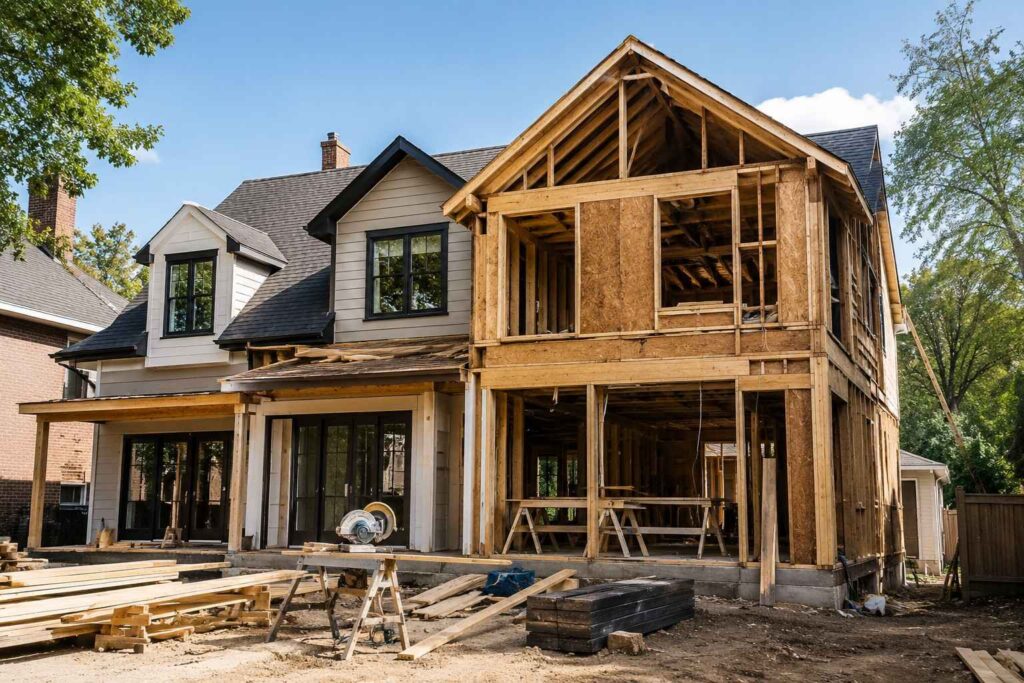
CRA Guidance – HST New Housing Rebate Guide
At a glance:
- Who administers the rebate? – Canada Revenue Agency (CRA)
- Does every renovation qualify? – No. Only certain new homes and qualifying substantial renovations may be eligible.
- Does renovation cost determine eligibility? – No. The CRA evaluates the scope of the work rather than the project budget.
- What is a substantial renovation? – Generally, one where all or substantially all (typically about approximately 90%) of the existing interior has been removed or replaced.
- Do kitchen or bathroom renovations qualify on their own? – Generally, no. They usually qualify only if they form part of a larger substantial renovation.
- Should you keep invoices and permits? – Yes. Detailed documentation is essential if you apply for the rebate.
What Is the HST New Housing Rebate in Ontario?
The HST New Housing Rebate is a federal program administered by the Canada Revenue Agency (CRA) that helps eligible homeowners recover part of the GST or the federal portion of the HST paid on qualifying residential properties. While many people associate the rebate with newly built homes, it may also apply to certain substantially renovated homes that meet the CRA’s eligibility requirements.
The purpose of the program is to reduce some of the tax burden for homeowners whose projects are comparable to new residential construction. It is not intended for routine home improvements or standard remodeling projects. Instead, it applies only in specific situations where the work is extensive enough to meet the CRA’s legal definition of a substantial renovation.
This distinction is important because many homeowners mistakenly believe that spending a large amount on renovations automatically makes them eligible. In reality, the CRA looks at what was rebuilt, not how much was spent.

For example, a homeowner may invest $250,000 updating a kitchen, renovating three bathrooms, replacing flooring throughout the home, installing new windows, and upgrading the HVAC system. Although the renovation is extensive and significantly improves the property, it may still not qualify if most of the home’s original interior remains intact.
Conversely, another homeowner may spend a similar amount on a project that involves removing and rebuilding nearly the entire interior of an older home while retaining parts of the existing foundation and exterior walls. Because the renovation fundamentally transforms the home’s interior, it may meet the CRA’s definition of a substantial renovation and therefore be eligible for the rebate, provided all other conditions are satisfied.
Note: The HST New Housing Rebate is based on the scope of the renovation—not the renovation budget.
Who Can Qualify for the HST Rebate?
Eligibility depends on several factors, and every application is reviewed based on the facts of the individual project. While only the CRA can determine whether a homeowner qualifies, there are several CRA general requirements that applicants should understand before starting a renovation.
A homeowner may be eligible if:
- The project meets the CRA’s definition of a substantial renovation.
- The property is a qualifying residential property under the rebate rules.
- The home is intended to be used as the primary place of residence of the owner or another qualifying individual, where required under the program.
- HST has been paid on eligible renovation costs.
- The homeowner satisfies the applicable CRA filing requirements and deadlines.
Meeting one of these requirements does not automatically mean a project qualifies. Instead, the CRA considers the renovation as a whole before making a determination. This is why it is important to understand the rules before construction begins. Proper planning can help homeowners keep the documentation they may need and avoid making assumptions based solely on the renovation budget or the number of rooms being updated.
The CRA’s Definition of a Substantial Renovation
The CRA’s definition of a “substantial renovation” plays a central role in determining eligibility for the HST New Housing Rebate. If a renovation does not meet the CRA’s definition of a substantial renovation, it generally will not qualify for the rebate.
Many homeowners are surprised to learn that a six-figure renovation does not automatically satisfy this requirement. The reason is that the CRA is not measuring the value of the renovation—it is measuring the extent of the reconstruction.
In general, the CRA considers a renovation to be substantial when all or substantially all of the existing interior of a home has been removed or replaced. The CRA generally considers “all or substantially all” to mean approximately 90% or more of the home’s existing interior, excluding certain structural components such as the foundation, exterior walls, floors that form part of the structure, roof support systems, and other structural elements that may remain. Although each renovation is assessed based on its specific facts, the CRA considers the overall scope of the project when determining eligibility.
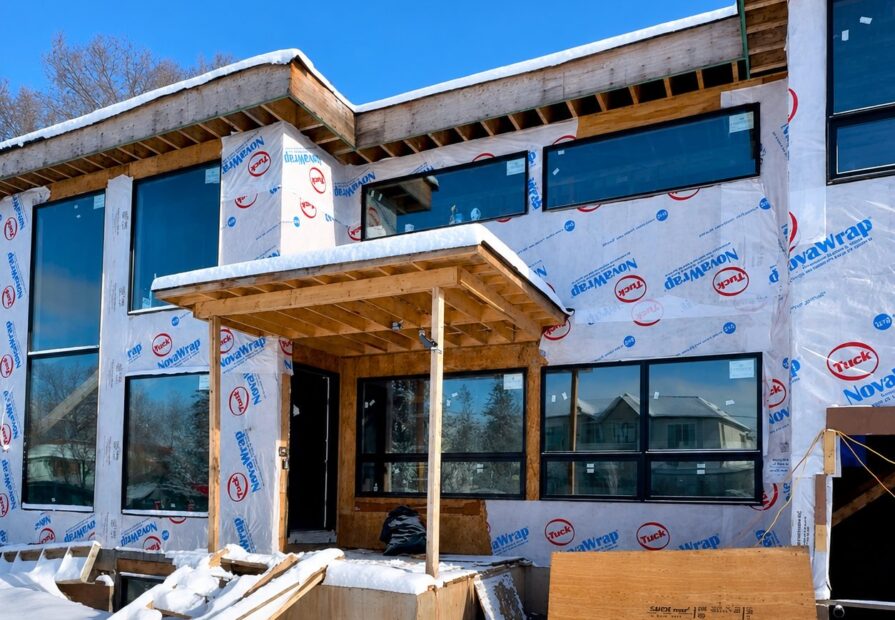
What Does “90% of the Interior” Actually Mean?
One of the biggest misunderstandings about the rebate is the “90% rule.” Many homeowners assume it refers to the home’s total floor area or square footage. It does not. Instead, the CRA looks at the amount of the existing interior that has been removed or replaced.
A qualifying project often involves work such as:
- Removing most interior walls and partitions, replacing drywall and insulation throughout the home
- Installing new plumbing and drainage systems
- Replacing electrical wiring and electrical components
- Installing new heating, ventilation, and air conditioning systems
- Rebuilding kitchens and bathrooms, replacing flooring, ceilings, trim, and interior doors throughout the home
- Reconfiguring the interior layout to create a new floor plan
What Can Remain?
A common misconception is that every part of the original home must be demolished. That is not necessarily the case.
Depending on the project, elements that may remain include:
- The foundation
- Exterior walls
- Certain load-bearing walls
- Structural floor systems
- Roof framing in some situations
- Other structural components that are permitted to remain under the CRA’s rules
Retaining these structural elements does not automatically prevent a renovation from qualifying. The CRA evaluates the overall reconstruction of the interior rather than requiring the complete demolition of the building.
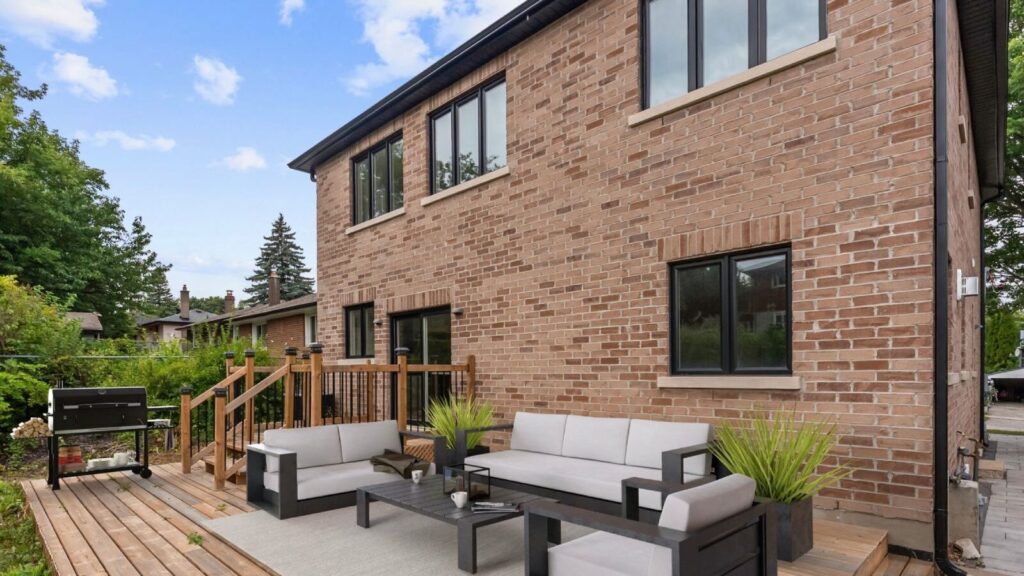

Which Major Home Renovation Projects May Qualify for the HST Rebate?
Not every large renovation qualifies for the HST New Housing Rebate. The determining factor is not the project’s budget, the number of rooms renovated, or the home’s increase in value. Instead, the Canada Revenue Agency (CRA) looks at whether the work meets its definition of a substantial renovation.
A renovation may qualify if approximately 90% or more of the home’s interior is removed or replaced, making it comparable to a newly built home. Projects meeting this level of renovation are the most likely to qualify under the CRA’s substantial renovation requirements.
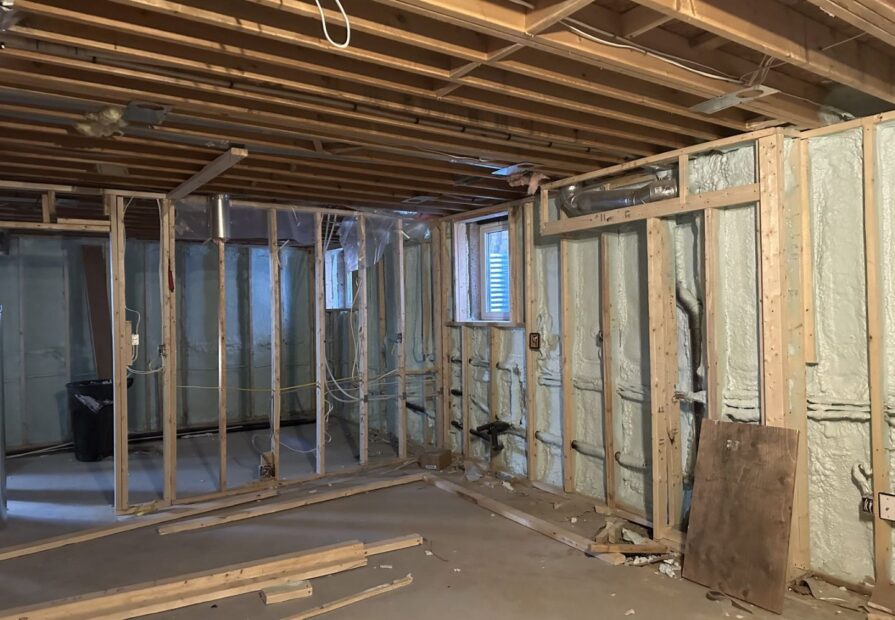
1. Complete Interior Gut Renovations
A complete interior gut renovation is one of the most common examples of a project that may qualify. These renovations typically involve removing nearly every non-structural component of the home before rebuilding it from the inside out. Although the home’s foundation and certain structural elements may remain, almost every interior finish and system is replaced.
A qualifying project may include:
- Removing most interior walls and ceilings
- Replacing insulation and drywall throughout the home
- Installing new plumbing and drainage systems
- Replacing electrical wiring and panels
- Installing new HVAC equipment and ductwork
- Building entirely new kitchens and bathrooms
- Replacing flooring, trim, doors, and interior finishes throughout the house
Once completed, the interior bears little resemblance to its original condition, which is why these projects may satisfy the CRA’s substantial renovation requirements.
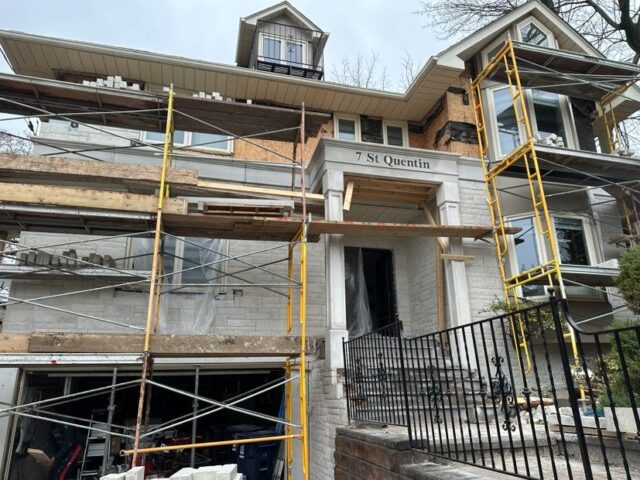
2. Extensive Reconstruction of Older Homes
Many homes across Ontario were built decades ago and require extensive modernization to meet today’s living standards. When an older home undergoes a comprehensive reconstruction that replaces nearly all of its existing interior while retaining portions of the original structure, the project may qualify for the rebate if all CRA requirements are met.
These renovations often involve: completely redesigning the floor plan, rebuilding outdated rooms, replacing aging plumbing and electrical systems, installing modern insulation and energy-efficient materials & updating interior finishes throughout the home
Simply restoring an older property does not automatically make it eligible. The renovation must still satisfy the CRA’s definition of a substantial renovation.
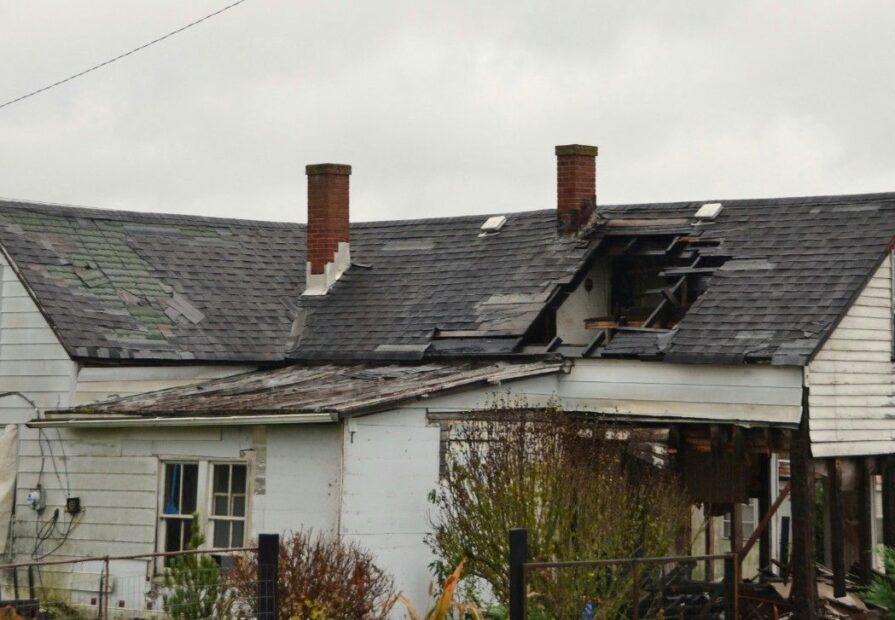
3. Homes Damaged by Fire or Other Major Events
Some homes require extensive rebuilding following significant damage caused by events such as fire.
If the reconstruction involves replacing all or substantially all of the home’s existing interior, the project may qualify for the HST New Housing Rebate, provided the CRA’s eligibility requirements are met.
Each situation is unique, and homeowners should review the applicable CRA rules before assuming a damaged property qualifies.
4. Large-Scale Interior Reconfiguration
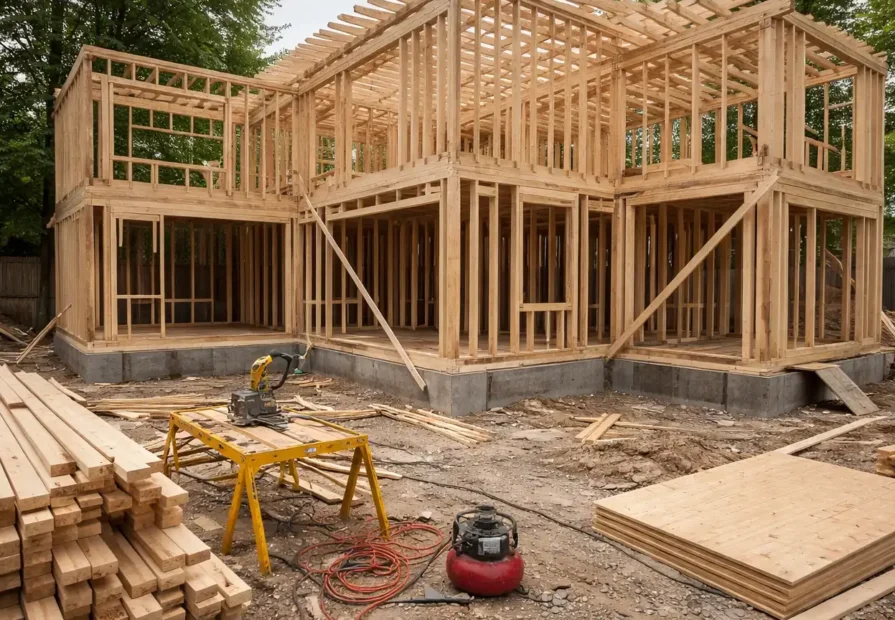
Some renovation projects completely transform how a home functions.
Instead of simply updating finishes, these projects involve rebuilding much of the home’s interior by relocating rooms, removing walls, redesigning living spaces, and replacing major building systems.
Examples include:
- Reconfiguring the entire main floor
- Creating new bedroom layouts
- Relocating kitchens and bathrooms
- Rebuilding stairways or circulation areas
- Modernizing all interior living spaces simultaneously
When this work forms part of a comprehensive reconstruction that meets the CRA’s substantial renovation requirements, the project may qualify.
Which Home Renovation Projects Usually Do Not Qualify?
One of the biggest misconceptions surrounding the HST New Housing Rebate is that any expensive renovation is eligible.
In reality, most residential renovation projects do not qualify on their own because they do not meet the CRA’s definition of a substantial renovation.
Even when these projects improve comfort, increase property value, or cost tens of thousands of dollars, they generally involve upgrading specific parts of a home rather than rebuilding nearly the entire interior.
Home Renovation Projects that typically do not qualify on their own:
Bathroom Renovations
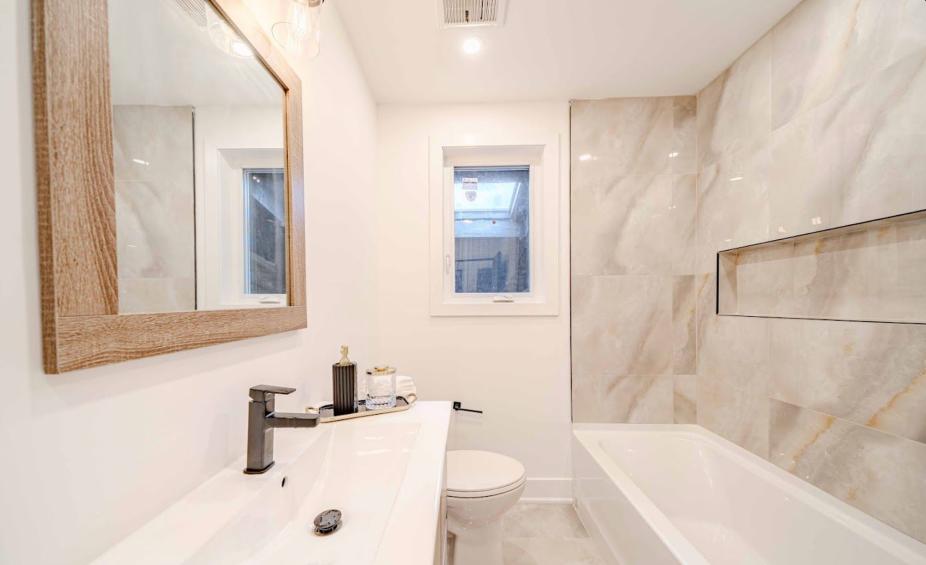
Renovating one or multiple bathrooms with new showers, vanities, tile, plumbing fixtures, and lighting is considered a major improvement, but these bathroom renovations usually does not meet the substantial renovation requirements unless it forms part of a much larger project.
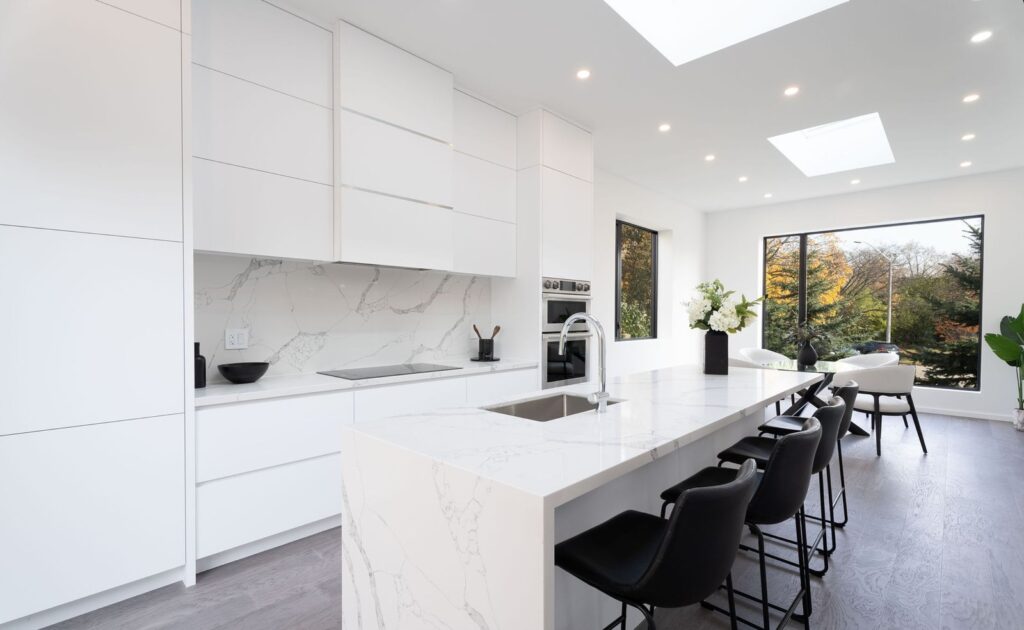
Kitchen Renovations
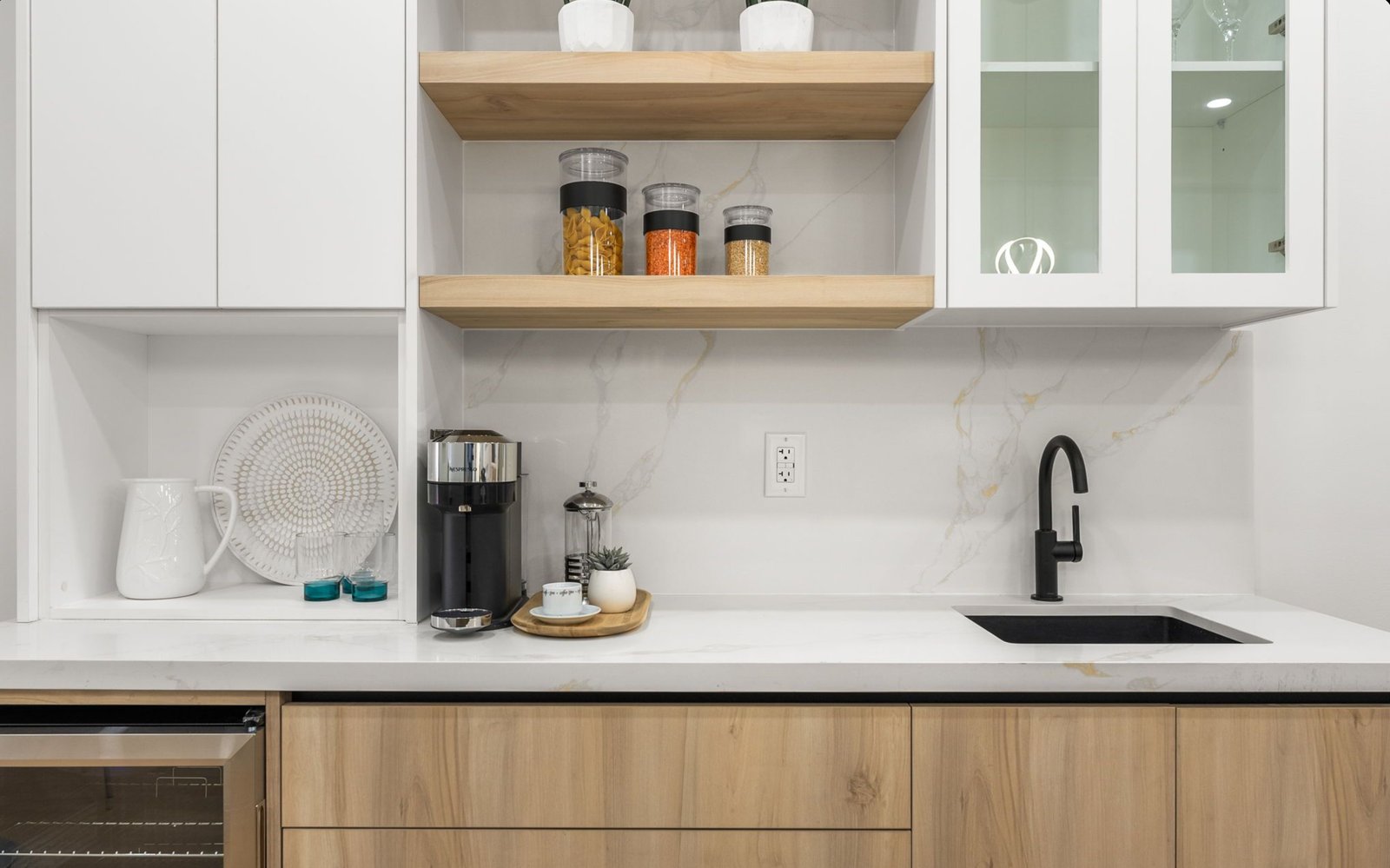
Installing custom cabinetry, quartz countertops, premium appliances, a kitchen island, or a new layout can dramatically improve your home. However, a kitchen renovation alone generally does not qualify because it affects only one area of the house.

Basement Renovations
Basement renovation in Mississauga can add valuable living space, a home office, or a legal secondary suite. While these projects often represent a significant investment, they generally do not qualify on their own because they affect only a portion of the home.
Plumbing, Electrical, or HVAC Upgrades
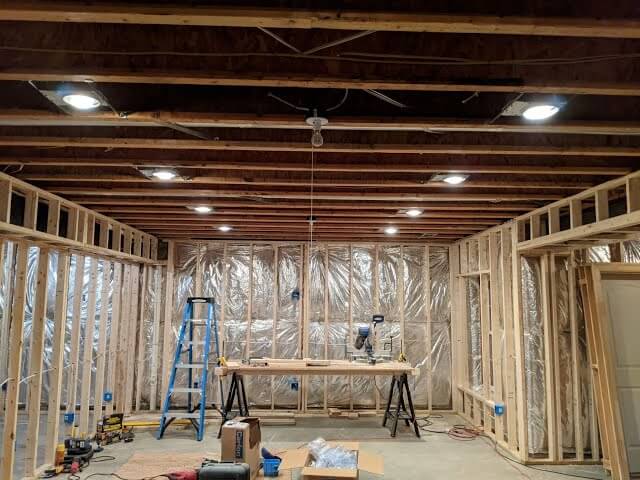
Modernizing plumbing, replacing electrical wiring, upgrading the service panel, or installing a new heating and cooling system may be necessary during a renovation. However, completing these upgrades alone generally does not qualify for the rebate.
Window and Door Replacement
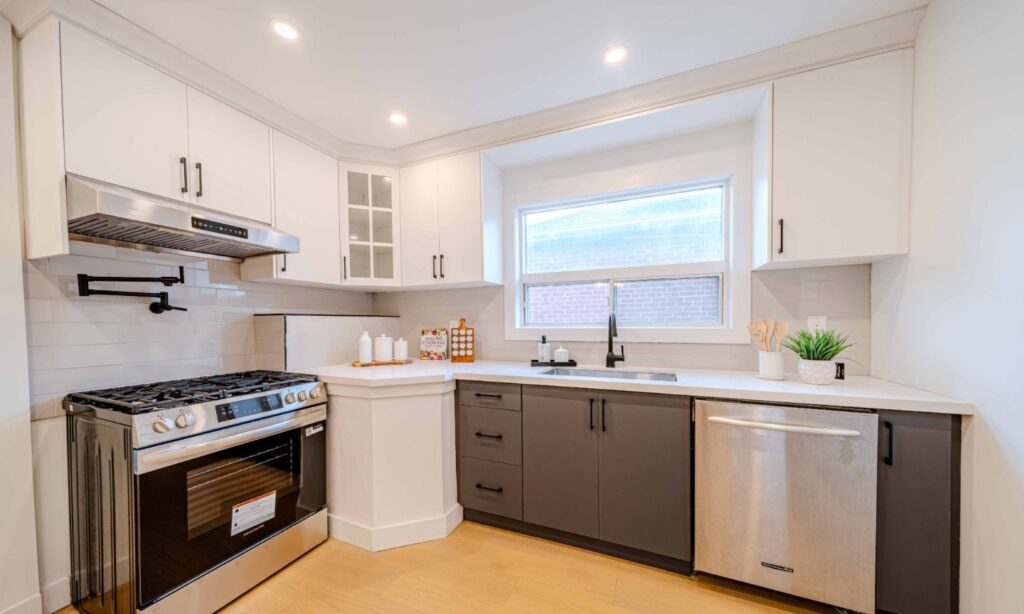
Installing new energy-efficient windows and exterior doors can improve comfort and reduce energy costs, but these upgrades alone are typically considered maintenance or modernization rather than substantial reconstruction.
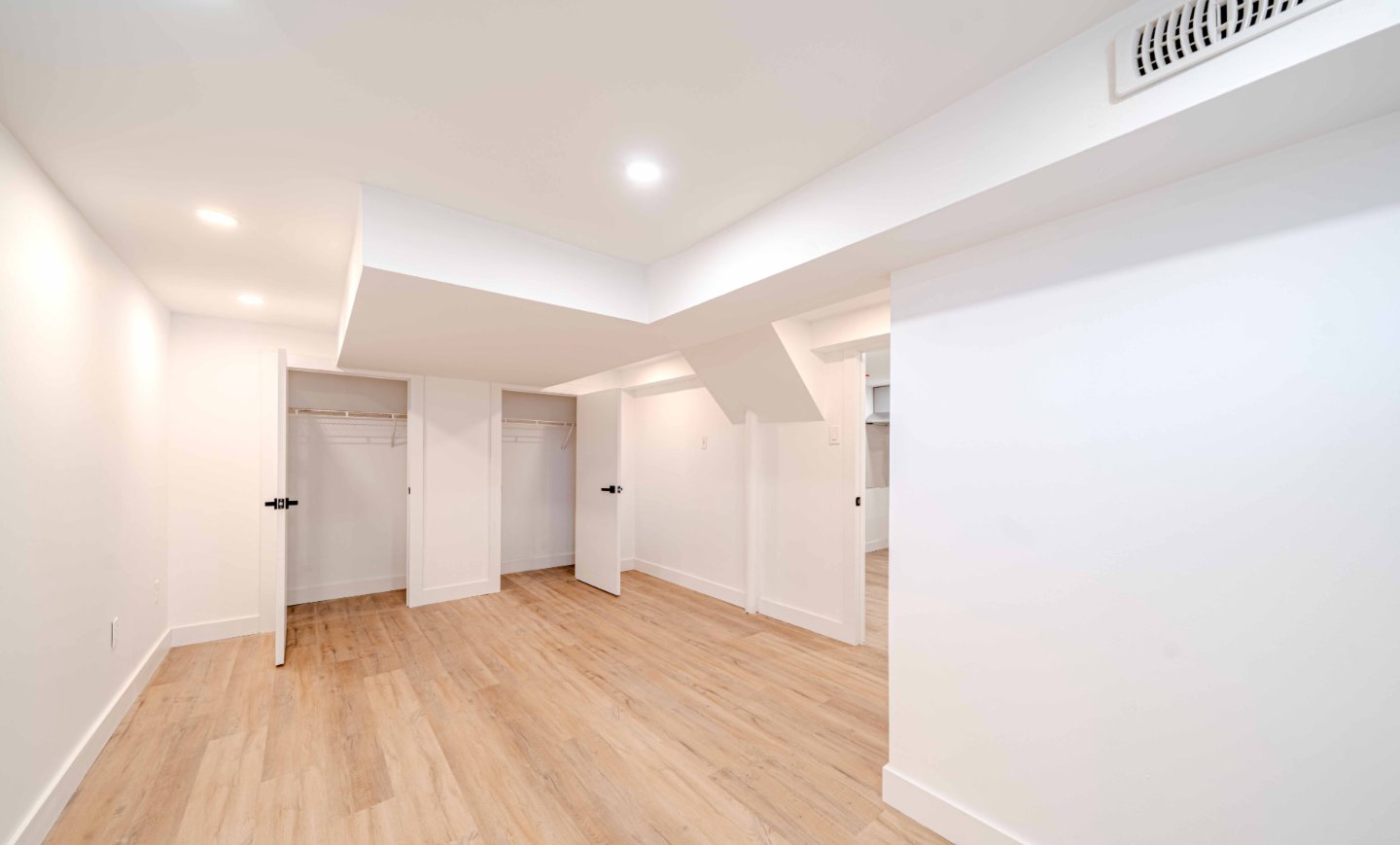
Flooring Replacement or Installation
Replacing hardwood, engineered flooring, laminate, luxury vinyl plank, or tile installation throughout the home improves appearance and functionality but generally does not constitute a substantial renovation by itself.

Documentation You’ll Need to Support Your Claim
Keeping accurate records throughout your renovation is essential for a successful GST/HST rebate application. The CRA may request documentation to verify the work completed, HST paid, and eligibility requirements.
Important documents to keep include:
- Detailed invoices from contractors and tradespeople
- Receipts for building materials and supplies
- Contracts or agreements outlining the scope of work
- Ontario Building permits and inspection records
- Proof of payment, such as bank statements, credit card records, or cancelled cheques
- Before-and-after photos showing the extent of the renovation
- Design plans, drawings, or engineering documents (if applicable)
Keep detailed invoices showing labour, materials, and HST throughout your renovation to simplify the rebate application and avoid delays.
How to Apply for the HST New Housing Rebate in Ontario
Applying for the HST New Housing Rebate involves a few important steps:
- Confirm Eligibility: Meet CRA’s substantial renovation requirements.
- Keep Documents: Save invoices, receipts, permits, proof of HST paid, and renovation photos.
- Submit Application: Provide required details and supporting documents.
- CRA Review: The Canada Revenue Agency (CRA) reviews your application and eligibility.
- Stay Organized: Keeping detailed records helps avoid delays and simplifies the application process.
A renovation contractor can provide supporting documents such as contracts, invoices, and project details, but only the CRA can make the final decision on whether your renovation qualifies for the rebate.
How Ace Build Contracting Can Help With Your Major Home Renovation
Planning a major renovation involves more than choosing finishes and managing construction. For homeowners who may be considering the HST New Housing Rebate, proper planning, documentation, and a clear understanding of the renovation scope are essential.
Ace Build Contracting is the trusted home renovation company in Mississauga serving homeowners across the Greater Toronto Area (GTA), including Brampton, Toronto, Vaughan, Richmond Hill, North York, Etobicoke, Oakville, Burlington, Hamilton, Milton, Stouffville and East York, complete large-scale renovation projects with professional planning, skilled workmanship, and organized project management.
How our renovation contractor in Mississauga can help homeowners across the Greater Toronto Area:
- Complete home renovations: Transforming older homes through extensive interior renovations, updated layouts, modern finishes, and improved functionality.
- Design and renovation planning: Helping homeowners understand the scope of work, create realistic renovation plans, and select materials that fit their goals and budget.
- Permit and construction coordination: Managing the renovation process, including permits, inspections, and coordination with experienced trades.
- Detailed documentation: Providing clear contracts, invoices, and project records that help homeowners maintain proper documentation throughout their renovation.
- Quality workmanship: Completing renovations with attention to detail, from demolition and structural improvements to finishing work.
While only the Canada Revenue Agency (CRA) can determine whether a renovation qualifies for the HST New Housing Rebate, working with an experienced renovation contractor in Toronto can help ensure your project is properly planned and documented from the beginning.
If you are considering a major home renovation in Mississauga or anywhere in the Greater Toronto Area, Ace Build Contracting can help you turn your vision into a well-planned, professionally completed renovation.
Contact Ace Build Contracting today to discuss your renovation project and learn how our team can help you create a home that fits your needs.
Disclaimer:
The information provided in this article is for general informational purposes only and should not be considered legal, tax, or financial advice. HST New Housing Rebate eligibility depends on the specific details of each renovation project, property, and homeowner situation. The Canada Revenue Agency (CRA) makes the final determination on whether a renovation qualifies for the rebate. Homeowners should review the current CRA guidelines or consult a qualified tax professional before applying.
HST Rebate on Major Home Renovations in Ontario: Frequently Asked Questions
Do you have questions about HST Rebate on major home renovation in Mississauga & the Greater Toronto Area? Read our FAQs below. Alternatively, call us or book an appointment at our office.