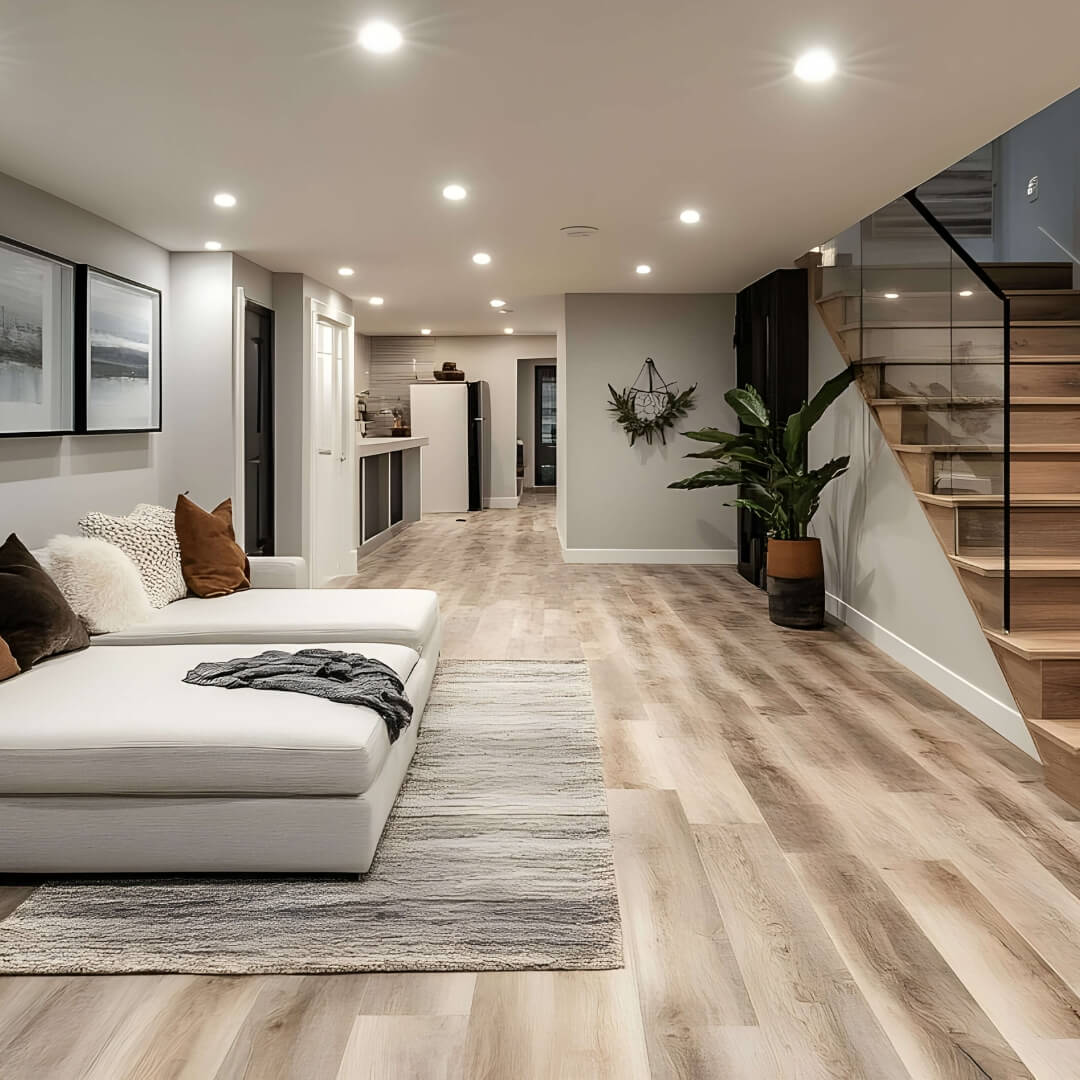
Creating a legal basement apartment in Toronto represents one of the most lucrative home renovation investments available to property owners in 2025. With rental demand continuing to surge across the Greater Toronto Area and housing affordability challenges driving tenants to seek alternative options, basement apartments offer homeowners substantial monthly income potential while addressing the city’s critical housing shortage.
However, transforming your basement into a legal rental unit requires navigating complex municipal regulations, building code requirements, and permit processes that can seem overwhelming without professional guidance. The distinction between legal and illegal basement apartments isn’t just about compliance—it impacts insurance coverage, liability protection, rental income security, and property resale value in ways that can cost thousands of dollars if handled incorrectly.
This comprehensive guide provides Toronto homeowners with everything needed to understand the legal basement apartment creation process, from initial feasibility assessment through final occupancy approval. We’ll explore current market rental rates, renovation costs, permit requirements, and return on investment calculations that help determine whether this renovation strategy aligns with your financial goals and property characteristics.
Whether you’re considering basement apartment conversion to supplement income, accommodate family members, or maximize your property’s investment potential, understanding Toronto’s specific requirements and opportunities ensures your project succeeds both legally and financially while contributing positively to the city’s housing ecosystem.
Understanding Legal Basement Apartment Requirements in Toronto
Toronto’s basement apartment regulations have evolved significantly to address housing needs while ensuring tenant safety and neighborhood compatibility. Understanding these requirements from the outset prevents costly mistakes and ensures your renovation investment delivers maximum returns through legal compliance and marketability.
Zoning and Property Eligibility determines whether your property can accommodate a legal basement apartment under current Toronto bylaws. Most residential properties zoned for single-family homes can add one basement apartment, creating a duplex arrangement. However, properties in certain heritage conservation districts or areas with specific zoning restrictions may face additional requirements or limitations that affect feasibility.
Minimum Ceiling Height Requirements mandate that basement apartments maintain at least 2.3 meters (7.5 feet) of clear ceiling height throughout main living areas. This requirement often represents the most significant challenge for older Toronto homes where basement ceiling heights may not meet current standards. Professional assessment can determine whether ceiling lowering or floor excavation provides cost-effective solutions.
Natural Light and Ventilation Standards require basement apartments to include windows in bedrooms and main living areas that provide adequate natural light and emergency egress capabilities. Toronto’s building code specifies minimum window sizes based on room dimensions, often necessitating window well installation or enlargement that impacts renovation budgets and timelines.
Separate Entrance Requirements mandate independent access that doesn’t require tenants to pass through the main house. This can involve creating new exterior entrances, modifying existing basement access, or establishing clearly defined internal pathways that maintain privacy for both units. The entrance solution significantly impacts both renovation costs and neighborhood aesthetics.
Parking and Outdoor Space Considerations may require additional parking spaces depending on unit size and neighborhood parking availability. Some areas also mandate minimum outdoor space access for basement tenants, affecting layout planning and potential rental rates based on amenities provided.
Kitchen and Bathroom Facilities must meet specific plumbing, electrical, and ventilation requirements that ensure tenant safety and comfort. Full kitchen facilities require appropriate ventilation systems, while bathroom additions must comply with sewage capacity and drainage requirements that may necessitate municipal services upgrades.
Permit Process and Municipal Approvals
Navigating Toronto’s permit process for basement apartment conversions requires understanding multiple approval stages, timeline expectations, and documentation requirements that ensure legal compliance while minimizing delays and unexpected costs.
Building Permit Application Process begins with detailed renovation plans that demonstrate compliance with all applicable building codes and zoning requirements. Professional architectural drawings typically cost $2,000 to $5,000 but are essential for permit approval and provide contractors with precise specifications that prevent costly changes during construction.
Zoning Compliance Review verifies that your proposed basement apartment meets all municipal requirements for secondary suites including parking, setbacks, and density restrictions. This review can take 4-8 weeks depending on application complexity and municipal workload, making early submission crucial for project timeline management.
Building Code Inspection Requirements occur at multiple construction stages including rough electrical, plumbing, insulation, and final occupancy inspections. Each inspection must pass before proceeding to subsequent construction phases, making quality workmanship essential for maintaining project schedules and avoiding costly correction requirements.
Fire Safety and Life Safety Approvals ensure basement apartments meet all requirements for emergency egress, smoke detection, and fire separation between units. These requirements often involve installing fire-rated assemblies, upgrading electrical systems, and ensuring proper emergency lighting that protects tenant safety while satisfying insurance requirements.
Utility and Service Connections may require separate metering for electricity, gas, and water services depending on unit configuration and utility company requirements. Separate metering enables direct tenant utility payments while providing accurate usage tracking, but installation costs can range from $1,500 to $5,000 depending on existing infrastructure.
Final Occupancy and Registration involves municipal inspection of completed work, verification of all permit compliance, and official registration as a legal rental unit. This final approval enables legal rental advertising and ensures insurance coverage while protecting against municipal penalties for illegal basement apartment operation.
Find out more about how Ace Build can assist you with your permits!
Construction Costs and Budget Planning
Understanding the comprehensive costs associated with legal basement apartment creation enables accurate budget planning and realistic return on investment projections. Toronto’s construction market presents specific cost considerations that vary based on existing basement conditions, desired finish levels, and regulatory requirements.
Basic Conversion Costs for transforming unfinished basements into legal apartments typically range from $45,000 to $75,000 including all permits, basic finishes, and code compliance requirements. This includes framing, drywall, flooring, basic kitchen and bathroom installation, electrical upgrades, and essential mechanical work needed for habitability.
Premium Finish Upgrades can increase total costs to $75,000 to $120,000 when incorporating luxury finishes, custom cabinetry, high-end appliances, and sophisticated lighting systems that maximize rental appeal and monthly income potential. Premium materials and finishes often justify higher rental rates that improve long-term return on investment.
Structural and Systems Upgrades may add $10,000 to $30,000 to project costs depending on existing conditions. Older Toronto homes often require electrical panel upgrades, plumbing system improvements, or structural modifications that ensure safety and code compliance while supporting modern living requirements.
Excavation and Ceiling Height Solutions represent significant cost variables ranging from $15,000 to $40,000 depending on approach and existing conditions. Underpinning to lower basement floors provides maximum ceiling height but requires engineering assessment and specialized contractors, while ceiling modifications may offer more cost-effective solutions.
Kitchen and Bathroom Installation typically accounts for 40-50% of total renovation costs, with basic installations costing $15,000 to $25,000 and premium installations reaching $35,000 to $50,000. These spaces most significantly impact rental rates and tenant satisfaction, making quality installation essential for long-term success.
HVAC and Ventilation Systems ensure year-round comfort while meeting building code requirements for air quality and temperature control. Extending existing systems or installing separate units costs $5,000 to $15,000 depending on basement size and system complexity, but proper climate control is essential for tenant retention and legal compliance.
Financing Your Basement Apartment Renovation
Strategic financing approaches enable Toronto homeowners to access renovation capital while optimizing cash flow and return on investment throughout the basement apartment creation process. Understanding available options helps match financing solutions to individual financial situations and project requirements.
Ace Build Contracting’s FinanceIt Partnership provides our clients with immediate access to specialized renovation financing designed specifically for basement apartment conversions. Our partnership offers instant pre-approval decisions up to $50,000, promotional interest rates as low as 0% for qualified applicants, and flexible payment terms that align with rental income generation. Clients appreciate starting construction immediately upon approval with payments beginning only after project completion, enabling rental income to offset financing costs from day one.
Home Equity Line of Credit (HELOC) Solutions leverage your property’s existing equity to fund basement apartment renovations at competitive interest rates. Toronto’s strong real estate appreciation means many homeowners have substantial equity available, and HELOC interest-only payment options during construction preserve cash flow until rental income begins.
Cash-Out Refinancing Opportunities enable homeowners to access renovation capital while potentially securing improved mortgage rates. This approach works particularly well when current mortgage rates are competitive and renovation costs exceed HELOC availability, providing larger amounts at fixed rates with predictable payments.
Government Grants and Incentive Programs may provide partial funding for basement apartment creation through programs designed to increase rental housing supply. Ontario’s Secondary Suite Incentive Program and municipal housing initiatives sometimes offer grants or reduced fees that offset renovation costs while supporting community housing goals.
Rental Income Pre-Approval Strategies help secure financing by demonstrating projected rental income to lenders through market analysis and pre-rental interest from potential tenants. Professional rental market assessments strengthen financing applications while providing realistic income projections for return on investment calculations.
Design and Layout Optimization
Successful basement apartment design maximizes functionality, comfort, and rental appeal within the constraints of below-grade living while ensuring code compliance and cost-effective construction. Smart layout decisions significantly impact both renovation costs and long-term rental income potential.
Open Concept Living Areas create spacious feelings in compact basement environments while maximizing natural light distribution from limited window sources. Combining kitchen, dining, and living functions reduces wall construction costs while appealing to modern tenant preferences for flexible, contemporary living spaces.
Strategic Storage Solutions address the storage challenges inherent in smaller living spaces through built-in solutions that maximize every square foot. Under-stair storage, built-in closet systems, and multi-functional furniture recommendations help tenants maintain organized, comfortable living environments that support long-term tenancy satisfaction.
Natural Light Maximization through strategic window placement, light wells, and interior design choices creates bright, welcoming environments that overcome typical basement apartment challenges. Light-colored finishes, strategic mirror placement, and glass interior elements amplify available natural light while creating illusions of expanded space.
Separate Utility Areas provide convenient access to laundry facilities, storage, and mechanical systems while maintaining clear boundaries between tenant and landlord spaces. Dedicated utility rooms with separate access prevent tenant disruption during maintenance while ensuring proper system access for ongoing property management.
Kitchen Efficiency Design maximizes functionality within compact spaces through efficient layouts, adequate storage, and modern appliances that appeal to quality tenants. Galley or L-shaped kitchen designs optimize workflow while island additions provide extra counter space and casual dining options that enhance livability.
Bathroom Comfort and Functionality balances space constraints with comfort requirements through efficient fixtures, adequate storage, and quality finishes that create appealing, functional spaces. Walk-in showers maximize space utilization while quality fixtures and finishes justify premium rental rates.
Legal Compliance and Safety Requirements
Ensuring comprehensive legal compliance protects both property owners and tenants while avoiding municipal penalties, insurance complications, and potential liability issues that can undermine investment returns and create ongoing legal risks.
Fire Safety and Emergency Egress requirements mandate specific window sizes, locations, and accessibility that enable safe emergency evacuation from basement apartments. Bedroom windows must meet minimum dimensions and height requirements while window wells must provide clear egress paths with proper drainage and lighting.
Smoke and Carbon Monoxide Detection systems require hardwired detectors with battery backup connected throughout the basement apartment and coordinated with main house systems. Proper detector placement and testing procedures ensure tenant safety while satisfying insurance requirements and municipal regulations.
Electrical Code Compliance mandates separate panels or adequate amperage for basement apartment electrical loads including appliances, lighting, and HVAC systems. Ground Fault Circuit Interrupter (GFCI) protection in bathrooms and kitchen areas prevents electrical hazards while ensuring code compliance and tenant safety.
Plumbing and Sewage Capacity considerations ensure municipal services can accommodate additional household demands without creating backups or service disruptions. Older Toronto neighborhoods may require sewage capacity assessments and potential infrastructure upgrades that impact renovation costs and timelines.
Insulation and Moisture Control prevent condensation, mold growth, and energy inefficiency through proper vapor barriers, insulation installation, and ventilation systems. Basement environments require special attention to moisture management that protects both structural integrity and tenant health.
Sound Insulation Between Units ensures privacy and comfort for both basement apartment tenants and main house occupants through appropriate wall and ceiling assemblies. Proper sound control reduces conflicts while maintaining property value and rental appeal for both units.
Rental Market Analysis and Income Potential
Understanding Toronto’s basement apartment rental market enables realistic income projections and design decisions that optimize return on investment while attracting quality tenants who support long-term financial success.
Current Market Rental Rates for legal basement apartments in Toronto range from $1,400 to $2,200 per month depending on location, size, finishes, and included amenities. Premium finishes and separate entrances command higher rates, while areas with excellent transit access and neighborhood amenities support above-average rental pricing.
Location-Based Rate Variations significantly impact rental income potential across different Toronto neighborhoods. Areas near subway stations, universities, and employment centers typically command 15-25% premium rates compared to car-dependent locations, making location assessment crucial for investment planning.
Tenant Demographics and Preferences in Toronto’s basement apartment market include young professionals, graduate students, and small families seeking affordable housing in desirable neighborhoods. Understanding target tenant needs helps optimize design decisions and amenity inclusions that support higher rental rates and longer tenancies.
Seasonal Rental Patterns affect both rental rates and tenant availability throughout the year. Toronto’s rental market typically peaks in late spring and early fall when students and professionals relocate, while winter months may require competitive pricing to maintain occupancy.
Competitive Analysis and Market Positioning helps establish appropriate rental rates and identify design features that differentiate your basement apartment from competing rentals. Professional market analysis considers comparable properties, transit access, parking availability, and neighborhood amenities that influence rental desirability.
Long-Term Appreciation Potential for basement apartment rental rates typically follows broader Toronto housing market trends, with annual increases of 2-4% supporting long-term investment growth. Quality construction and regular maintenance preserve rental competitiveness while protecting investment value.
Return on Investment Calculations
Comprehensive ROI analysis helps Toronto homeowners evaluate basement apartment conversion viability while understanding timeline expectations for investment recovery and long-term financial benefits that justify renovation investments.
Initial Investment Recovery Timeline typically ranges from 6-10 years depending on renovation costs and rental income levels. Projects with total costs of $60,000 generating $1,800 monthly rental income recover initial investments in approximately 8 years, while premium conversions may extend recovery timelines but generate higher long-term returns.
Monthly Cash Flow Analysis considers rental income, mortgage interest on renovation financing, property taxes, insurance, utilities, and maintenance costs to determine net monthly income. Positive cash flow of $800-1,200 per month is typical for well-planned basement apartment conversions in Toronto’s market.
Property Value Enhancement through legal basement apartment addition typically increases overall property value by 15-20% beyond renovation costs, providing immediate equity gains that support refinancing opportunities and long-term wealth building. Professional appraisals confirm value increases for refinancing and resale planning.
Tax Implications and Benefits include rental income taxation offset by depreciation, renovation cost deductions, and operating expense write-offs that optimize overall tax efficiency. Professional tax planning maximizes benefits while ensuring compliance with Canada Revenue Agency requirements.
Exit Strategy Considerations provide flexibility for changing life circumstances through options including continued rental operation, basement apartment sale with property, or conversion back to single-family use. Legal basement apartments maintain these options while illegal conversions may limit future choices.
Risk Assessment and Mitigation addresses potential challenges including vacancy periods, maintenance costs, difficult tenants, and market changes that could impact returns. Professional property management, adequate insurance coverage, and emergency fund maintenance protect against common rental property risks.
Working with Professional Contractors
Selecting qualified contractors experienced in Toronto basement apartment conversions ensures project success while navigating complex regulatory requirements and construction challenges specific to below-grade renovations.
Contractor Selection Criteria should prioritize experience with basement apartment conversions, current knowledge of Toronto building codes, proper licensing and insurance, and strong references from recent similar projects. Contractors familiar with municipal permit processes can prevent delays while ensuring code compliance.
Design-Build Integration streamlines project coordination through contractors who provide both design services and construction management, reducing communication challenges while ensuring constructability and code compliance throughout the design process. This approach often provides better cost control and timeline management.
Permit and Inspection Coordination by experienced contractors prevents common delays and ensures smooth approval processes through relationships with municipal officials and thorough understanding of inspection requirements. Professional contractors schedule inspections strategically to maintain construction momentum.
Quality Control and Timeline Management distinguish professional contractors who implement systems for maintaining construction quality while adhering to committed schedules. Regular progress updates, milestone reviews, and proactive communication ensure projects meet expectations while staying within budgets.
Warranty and Post-Completion Support provide ongoing protection and peace of mind through comprehensive warranties on workmanship and coordination with manufacturer warranties on materials and equipment. Professional contractors stand behind their work with responsive warranty service and ongoing support.
Budget Management and Cost Control prevent the overruns that commonly plague renovation projects through detailed estimates, clear change order procedures, and transparent communication about potential cost variables. Ace Build Contracting’s experience with basement apartment conversions enables accurate budgeting and reliable cost control throughout project execution.
Property Management Considerations
Successful basement apartment investment requires understanding ongoing management responsibilities, tenant relations, and maintenance requirements that ensure long-term profitability while protecting property investment and maintaining positive tenant relationships.
Tenant Screening and Selection processes help identify reliable tenants who maintain properties well and pay rent consistently. Professional screening includes credit checks, employment verification, and reference contacts that predict tenancy success while complying with human rights legislation and fair housing requirements.
Lease Agreement Essentials protect landlord interests while ensuring tenant rights through comprehensive lease terms covering rent, utilities, maintenance responsibilities, and property use restrictions. Professional legal review ensures lease compliance with Ontario Residential Tenancies Act requirements.
Maintenance and Repair Responsibilities require clear protocols for handling tenant requests, emergency repairs, and preventive maintenance that preserves property condition while ensuring tenant satisfaction. Establishing relationships with reliable contractors enables prompt response to maintenance needs.
Utility Management and Cost Allocation through separate metering or fair cost-sharing arrangements ensures appropriate utility cost responsibility while maintaining tenant satisfaction. Clear policies prevent disputes while protecting landlord interests in utility cost management.
Insurance Coverage Requirements for rental properties include liability protection, property damage coverage, and rental income protection that safeguards investment returns against various risks. Professional insurance review ensures adequate protection while maintaining competitive premium costs.
Legal Compliance and Tenant Rights understanding prevents violations of provincial landlord-tenant legislation while maintaining positive relationships with tenants. Regular education about changing regulations and professional property management support help navigate complex legal requirements.
Creating a legal basement apartment in Toronto represents a substantial investment opportunity that can generate significant monthly income while contributing to the city’s housing needs. However, success requires careful planning, professional execution, and ongoing management commitment that goes beyond simple basement renovation.
The key to maximizing returns lies in understanding Toronto’s specific regulatory environment, investing in quality construction that ensures long-term durability and tenant satisfaction, and approaching the project as a business investment rather than a simple home improvement. Properties that meet or exceed all legal requirements while providing comfortable, attractive living spaces command premium rental rates while avoiding the risks associated with illegal basement apartments.
Working with experienced professionals who understand Toronto’s basement apartment conversion process ensures projects succeed both legally and financially while minimizing stress and unexpected costs. From initial feasibility assessment through final tenant occupancy, professional guidance helps navigate complex requirements while optimizing design and construction decisions for maximum return on investment.
Whether you’re seeking supplemental income, planning for retirement, or maximizing your property’s investment potential, a well-planned legal basement apartment conversion can provide decades of reliable income while increasing your property’s overall value. The combination of Toronto’s strong rental market, growing housing demand, and strategic renovation investment creates compelling opportunities for homeowners ready to commit to quality execution and professional property management.
Take the time to plan thoroughly, choose experienced professionals, and approach your basement apartment conversion as the significant investment opportunity it represents. With proper execution, your legal basement apartment will provide financial returns and personal satisfaction while contributing positively to Toronto’s housing ecosystem for years to come.

0 Comments